P/N 2455038-2: Engine Cooling Airflow Component
P/N 2455038-2: Engine Cooling Airflow Component
Blog Article
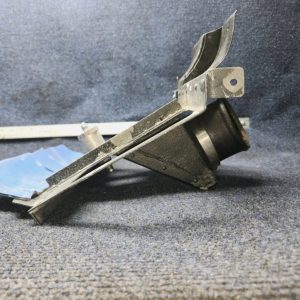
P/N 2455038-2 should be selected only after confirming aircraft serial applicability, engine configuration, mounting geometry, material condition, and included hardware.
The Cessna 172RG Rear Right-Hand Baffle can support airflow management, while the Cessna 172RG Engine Baffle and Cessna 172RG Cooling Baffle descriptions should not imply universal interchangeability.
The Cessna Cutlass Engine Baffle and Aircraft Engine Baffle Assembly keywords help qualified buyers locate relevant replacement parts.
Whether buyers require a Cessna Engine Cooling Baffle, Aircraft Cooling Air Baffle, or Cessna 172RG Airflow Baffle, surrounding seals and attachment points should also be inspected.
Whether marketed as an Engine Cooling Baffle Assembly, Cessna Cutlass Cooling System Part, or Cessna 172RG Replacement Baffle, the component should receive individual inspection.
Key Identification Details for the Cutlass Baffle
The P/N 2455038-2 marking should be confirmed through stamped identification, labels, donor-aircraft records, packaging, photographs, and applicable Cessna parts information.
Strong traceability improves the commercial and maintenance value of the Cessna 172RG Rear RH Baffle Assembly.
Purpose of the Rear RH Engine Baffle
The component should not be considered an isolated panel because its effectiveness depends on the condition of the complete baffle arrangement.
A replacement component should restore the intended geometry without creating interference with cylinders, hoses, wiring, controls, exhaust parts, or cowling.
Aircraft Model and Serial Applicability
A rear right-hand baffle should not be advertised as suitable for every Cessna 172 model merely because the aircraft share a related airframe family.
Qualified maintenance personnel should determine whether the component is suitable for installation.
Cessna Baffle Flanges and Brackets
Preserving original geometry supports proper alignment and airflow management.
Unauthorized bending, hammering, heating, grinding, drilling, or trimming can damage the assembly and affect its relationship with adjacent components.
Aircraft Cooling Component Inspection
A detailed inspection provides stronger evidence than a general good-condition description.
Unusual waviness or twisted geometry should be measured rather than dismissed as cosmetic.
Cessna Cooling Air Seal Replacement
Flexible seals help close gaps between metal baffles and surrounding cowling surfaces so cooling air follows the intended route.
Replacement seal material should correspond with the intended aircraft installation and suitable technical requirements.
Engine Compartment Contamination Concerns
Surface staining may be minor, while pitting, material loss, exfoliation, or corrosion around holes can require more extensive action.
Responsible corrosion prevention supports long-term component value.
Maintaining Secure Baffle Connections
Cracks often begin near holes, corners, bends, bracket ends, and areas affected by vibration or forced alignment.
Forced alignment can preload thin sheet metal and contribute to recurring cracks.
Managing Engine Baffle Parts Inventory
A missing bracket, damaged seal, or distorted neighboring panel can delay installation even when the primary baffle is available.
Used Cessna 172RG Engine Compartment Parts should be evaluated individually rather than accepted solely because they came from the same donor aircraft.
Inspecting the Complete Cooling System
Missing seals, open gaps, loose cowling, or incorrectly installed neighboring components can affect airflow distribution.
The condition of cylinder fins, oil cooler airflow, hoses, ignition timing, induction, exhaust, and other engine systems may also influence operating temperatures.
Cessna Baffle Repair Considerations
The technician should consider access, labor, material, finishing, alignment, seals, and future maintainability.
Unauthorized welding, oversized fasteners, excessive material removal, or uncontrolled bending can reduce suitability.
Buying P/N 2455038-2
Honest listings reduce disputes and strengthen buyer confidence.
Dimensions and detailed photographs should be supplied before shipping arrangements are finalized.
Cessna 172RG Baffle Buying Checklist
A pre-purchase review should confirm P/N 2455038-2, donor-aircraft details, model and serial applicability, engine configuration, dimensions, material condition, repairs, included seals, brackets, hardware, and documentation.
- Request clear photographs of every surface, marking, hole, bend, bracket, flange, crack, repair, corrosion area, and included component.
- Examine hidden surfaces, fastener areas, formed corners, seal-retaining edges, lower sections, and mounting points carefully.
- Inspect and photograph the assembly immediately after delivery before cleaning, stripping, drilling, bending, repairing, painting, or installation.
Shipping and Storing the Rear RH Baffle
Professional packaging helps preserve the geometry of the Engine Cooling Baffle Assembly.
Heavy objects should never be stacked on the baffle.
Fitting P/N 2455038-2
Any mismatch should be investigated rather than corrected through uncontrolled force or modification.
Fastener holes should be inspected carefully, while hardware type, grip, spacing, and installation method should correspond with suitable technical data.
Disciplined installation and documentation protect the Cessna 172RG Rear RH Baffle Assembly
Long-Term Rear Baffle Inspection
Small cracks, loose fasteners, failed check here seals, and finish damage should be evaluated promptly.
Preventive maintenance protects both P/N 2455038-2 and surrounding Cessna 172RG Engine Compartment Parts.
Selecting a Cessna 172RG Cooling Component
P/N 2455038-2 can provide valuable maintenance, restoration, cooling-system repair, or spare-inventory potential when its identity, condition, geometry, and compatibility are verified.
The strongest purchasing decision begins with confirming the complete part number, donor-aircraft details, aircraft serial applicability, engine configuration, right-hand position, dimensions, mounting geometry, seal condition, repair history, included hardware, and documentation.
Whether maintenance teams are sourcing an Engine Cooling Baffle Assembly, Cessna Cutlass Cooling System Part, or Cessna 172RG Replacement Baffle, qualified installation should precede operational use.
With prompt attention to cracks, corrosion, fasteners, seals, brackets, clearances, protective finishes, and surrounding components, the installation can preserve its condition and functionality.
Report this page